
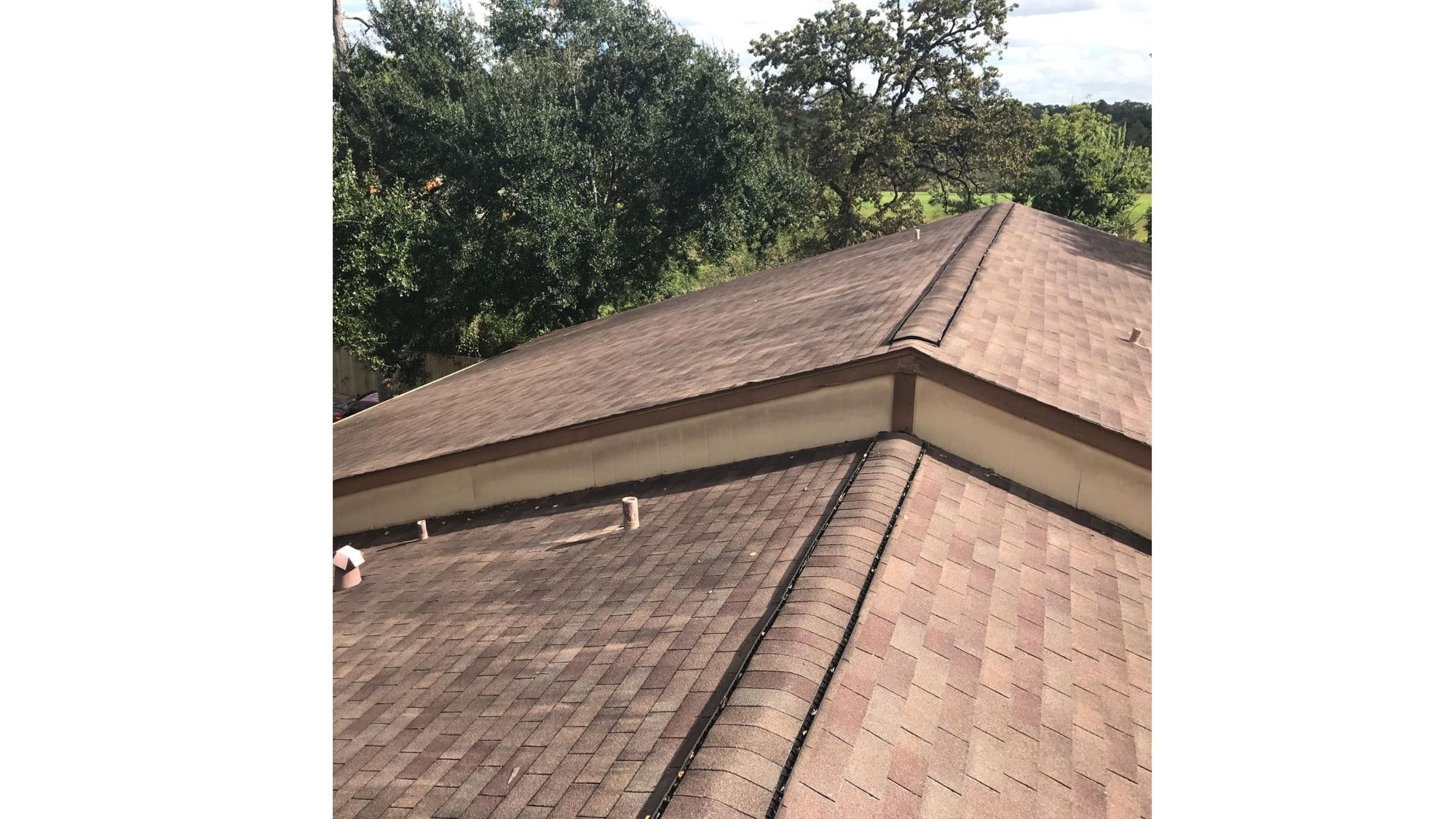
Strong winds can create serious problems for your home’s roofing system. Even a short storm can loosen shingles, damage protective layers, and create areas where water can enter. Many homeowners do not notice these issues immediately because some damage remains hidden. Scheduling wind damage roof repair spring tx after a severe storm can help identify problems early and protect your home from future damage.
Your roof is designed to handle everyday weather, but strong winds can put extra pressure on important parts of the system. Learning about common wind-related roof problems can help you take the right steps before small issues become expensive repairs.
Missing and Damaged Shingles After Strong Winds
Shingles are one of the most affected parts of a roof during high winds. Strong gusts can lift, crack, loosen, or remove shingles completely. When this happens, your roof may lose its ability to block rain, moisture, and outdoor elements. Damaged shingles can expose the lower layers of your roof. Over time, this may allow water to enter and create problems such as leaks, mold growth, and interior damage.
Some common signs of shingle damage include:
- Missing shingles in certain roof areas
- Shingles found around your yard
- Cracked or curled roofing materials
- Uneven sections on the roof surface
- Loose materials around roof edges
Even small areas of damage should not be ignored. A few missing shingles can leave your home more exposed during the next storm. Quick attention can help maintain your roof’s strength and prevent further issues.
Roof Leaks Caused by Wind Damage
Strong winds can create openings in your roofing system that allow water to enter. When shingles, flashing, or protective layers become damaged, moisture can slowly make its way inside your home.
Roof leaks are not always easy to find. Sometimes water travels through different areas before appearing as a stain on your ceiling or walls. This makes early inspection important after a major storm.
Common signs of a possible roof leak include:
- Water stains on walls or ceilings
- Damp spots inside the home
- Peeling paint
- Musty smells
- Increased indoor moisture
Fixing leaks early can help prevent larger problems. Water damage can affect insulation, drywall, and other parts of your home if it is left untreated for too long.
Damaged Flashing and Roof Edges
Flashing plays an important role in keeping your roof sealed. It protects areas where your roof connects with chimneys, vents, walls, and other structures. During strong winds, flashing can become loose or damaged. Roof edges can also experience extra pressure because they are more exposed to wind forces.
When these areas are damaged, your home becomes more vulnerable to moisture problems. Water can enter through small gaps and slowly affect the structure beneath the roof. Repairing flashing and roof edges helps restore your roof’s protective barrier. It also improves the overall performance of your roofing system during future weather events.
How Wind Damage Repairs Protect Your Home
Wind damage repairs are not only about fixing visible problems. They help restore the strength and safety of your roofing system. A proper repair process begins with a detailed inspection to understand the condition of your roof. Depending on the level of damage, repairs may include replacing missing shingles, fixing damaged flashing, repairing leaks, or strengthening weak areas. The goal is to restore your roof so it can continue protecting your home.
When considering wind damage roof repair spring tx, focus on solutions that address the actual cause of the problem. Quick fixes may solve a visible issue, but proper repairs provide better long-term protection.
Professional repairs can also help improve your roof’s lifespan. By fixing damaged areas early, you can reduce the chance of repeated problems and avoid larger repair needs in the future.
Steps to Take After a Windstorm
After a strong windstorm, taking the right steps can help reduce damage and make the repair process easier.
Step 1: Check Your Property From the Ground
Start by looking around your home safely. Check for visible signs such as missing shingles, roof debris, damaged gutters, or fallen roofing materials. Avoid climbing onto the roof. Damaged areas may be unstable, and walking on them can create more problems.
Step 2: Take Pictures of Visible Damage
If you notice any damage, take clear photos from a safe location. Pictures can help you keep track of the affected areas and understand the condition of your roof. Documenting damage can also make it easier to explain the situation during a professional inspection.
Step 3: Schedule a Roof Inspection
A professional roof inspection can identify damage that may not be visible from the ground. Experts can check for hidden issues and explain the best repair options. A detailed inspection helps you understand whether your roof needs minor repairs or more extensive work.
Step 4: Complete Repairs Quickly
Once damage is identified, it is important to address repairs without unnecessary delays. Small issues can become larger problems when exposed to rain and changing weather. Timely repairs help protect your home and maintain the overall condition of your roofing system.
Ways to Reduce Future Wind Damage
Although you cannot control severe weather, regular roof care can help improve your home’s protection. A well-maintained roof is more prepared to handle strong winds and seasonal changes. Simple maintenance steps include:
- Checking your roof after major storms
- Replacing damaged shingles quickly
- Keeping gutters clear
- Scheduling regular inspections
- Removing debris from roof areas
It is also important to choose quality roofing materials and ensure proper installation. A strong roofing system can provide better durability and reduce the risk of future damage.
Regular maintenance allows homeowners to identify small issues before they become major concerns. This proactive approach can save time, reduce stress, and help protect your investment.
Protecting Your Home After Wind Damage
Wind damage can happen quickly, but the effects may continue if problems are ignored. Small issues like loose shingles or damaged flashing can become bigger concerns over time.
By understanding common roof problems caused by strong winds, you can respond faster and protect your home more effectively. Regular inspections, timely repairs, and proper maintenance all help extend the life of your roofing system.
Your roof is one of your home’s strongest defenses against severe weather. Taking care of wind damage early can help maintain a safer, more secure, and comfortable home for years to come. A strong roofing system gives you confidence that your home is better prepared for future storms.