
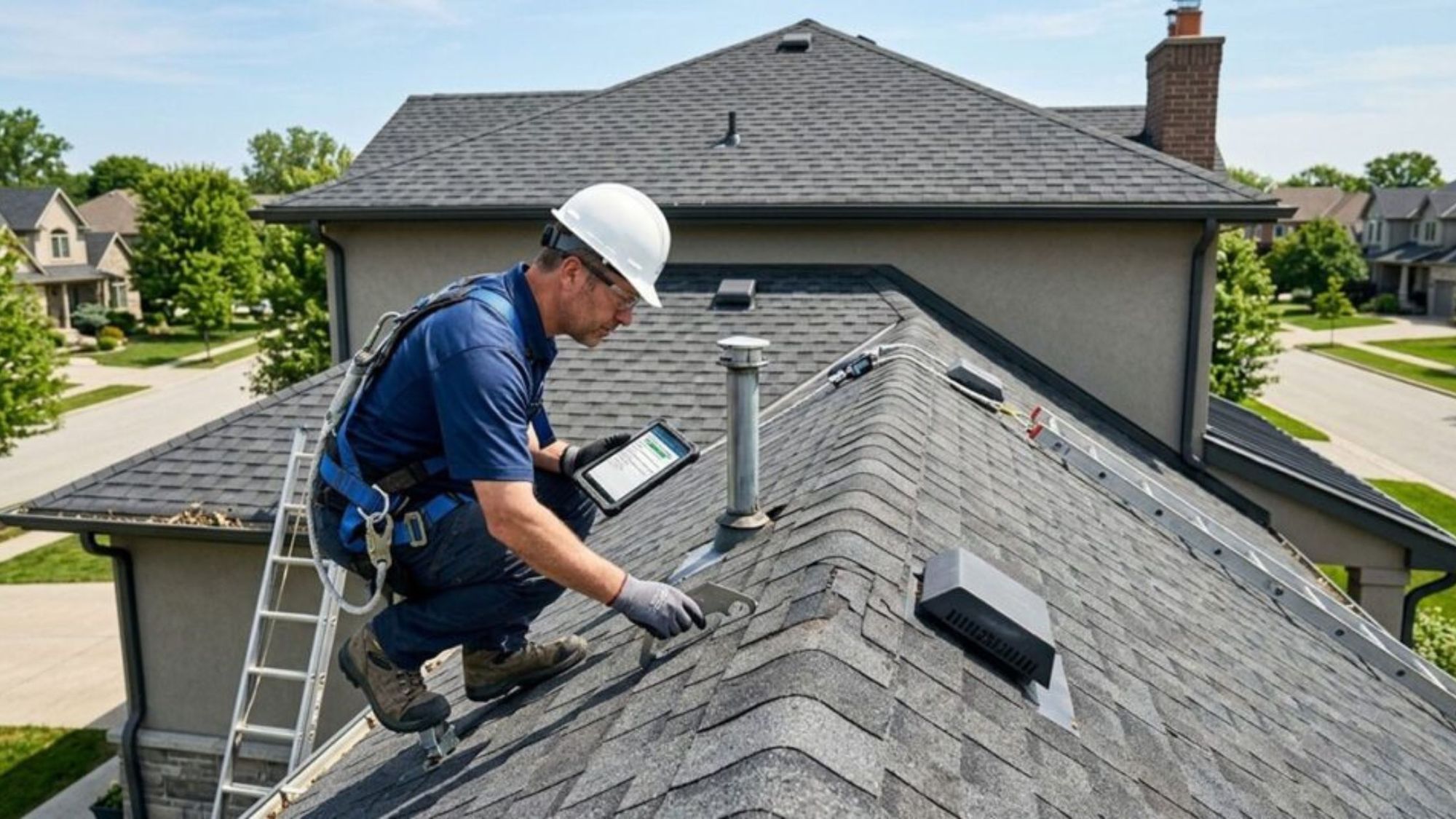
Hailstorms can cause roof damage that is not always easy to see. Small dents, cracked shingles, damaged flashing, and other issues may weaken the roof and allow water to enter later. After a storm, checking the roof can help homeowners find problems before they become more serious.
For homeowners looking into hail damage roofing services, understanding the signs of hail damage and knowing what to do after a storm can make roof care easier. A timely inspection can also help determine whether the roof needs minor repairs or more extensive work.
How Hail Can Damage a Roof?
Hail can affect different parts of a roofing system depending on the size and force of the hailstones. Even a short storm can leave damage behind.
Common problems include:
● Cracked or broken shingles
● Dents in roofing materials
● Damaged flashing
● Loose shingles
● Cracks around roof openings
● Damaged gutters and downspouts
● Exposed areas of the roof
Some damage is easy to spot, while other problems may only become noticeable after rain. This is one reason a professional roof inspection can be helpful after a strong hailstorm.
Signs of Hail Damage to Look For
Homeowners can check for visible signs of damage from the ground and around the property. However, they should avoid walking on the roof unless they are trained and properly equipped to do so.
Look for:
● Shingles with dents or cracks
● Missing roofing materials
● Small pieces of roofing material around the yard
● Damaged gutters
● Dents in metal surfaces
● Water stains inside the home
● Moisture in the attic
Hail can sometimes damage a roof without creating an immediate leak. A professional inspection may identify problems that are difficult to notice during a basic visual check.
Check the Home After a Hailstorm
A quick check after severe weather can help homeowners spot early warning signs.
Step 1: Check the Ground
Look around the property for loose shingles, roofing pieces, or damaged gutters. These may indicate that the roof was affected.
Step 2: Check the Attic
Look for damp insulation, water stains, or signs of moisture. These may point to water entering through the roof.
Step 3: Check Ceilings and Walls
Look for new stains, peeling paint, or damp areas. These signs can appear after water has moved through the roof and into the home.
Step 4: Arrange a Professional Inspection
If damage is suspected, a roofing professional can inspect the roof and identify areas that need attention.
Why Hail Damage Should Not Be Ignored?
Some homeowners may wait to repair hail damage if there is no visible leak. However, damaged roofing materials can become more vulnerable to rain, wind, and future storms.
A cracked or weakened shingle may allow water to reach the layers underneath. Over time, this can affect insulation, decking, ceilings, and other parts of the home.
Prompt attention can help homeowners understand the condition of the roof and address problems before they grow.
When Roof Repair May Be Needed
The right repair depends on the type and extent of the damage. A few damaged shingles may require a smaller repair, while widespread damage may call for more extensive work.
Signs that repair may be needed include:
● Multiple damaged shingles
● Cracked or broken roofing materials
● Loose flashing
● Water entry
● Damage around vents or roof openings
● Widespread storm damage
Hail damaged roof repair can help restore affected areas and reduce the risk of further water entry. A professional assessment can help determine which repairs are appropriate.
Hail Damage Beyond the Roof
A hailstorm can affect more than roofing materials. Homeowners should also look around the property for other signs of storm damage.
Hail may damage:
● Gutters and downspouts
● Skylights
● Exterior vents
● Window screens
● Siding
● Outdoor equipment
Checking these areas can provide a better understanding of how severe the storm was. It may also help homeowners identify damage that needs attention.
Protecting Your Roof From Future Storms
No roofing system can prevent all hail damage, but regular maintenance can help keep a roof in better condition.
Useful steps include:
● Keep gutters clear.
● Remove debris when safe.
● Trim branches near the roof.
● Check for loose or damaged materials.
● Schedule regular roof inspections.
● Have the roof checked after major storms.
A well-maintained roof may be better prepared to handle normal weather exposure. Regular inspections can also make it easier to find existing weaknesses.
Choosing the Right Roofing Professional
After a hailstorm, homeowners may receive several repair recommendations. Taking time to understand the proposed work can help them make a more informed choice.
When comparing roofing professionals, consider:
● Experience with storm damage
● Clear inspection findings
● Detailed repair estimates
● Knowledge of different roofing systems
● Quality workmanship
● Clear communication
● A clear explanation of the recommended repairs
Homeowners should understand what damage was found and why a specific repair is being recommended.
Take Action After Hail Damage
Hail damage may not always be obvious, but even small problems can affect the performance of a roof. Checking the property after a storm and arranging an inspection when needed can help homeowners catch damage early.
For homeowners researching hail damage roofing services, understanding the signs of damage can make it easier to decide when professional help may be useful.
If repairs are needed, addressing them promptly can help protect the roof from additional weather exposure. Regular maintenance and post-storm inspections can also help homeowners keep their roofing system in better condition over time.